
Viewpoint: The Highs and Lows of Photography and Video Composition
- Sep 8, 2021
- 6 min read
I spy with my little eye… the perfect shot!
All photos and videos are taken from a certain point of view. Most are just eye level to capture those moments we want to remember.
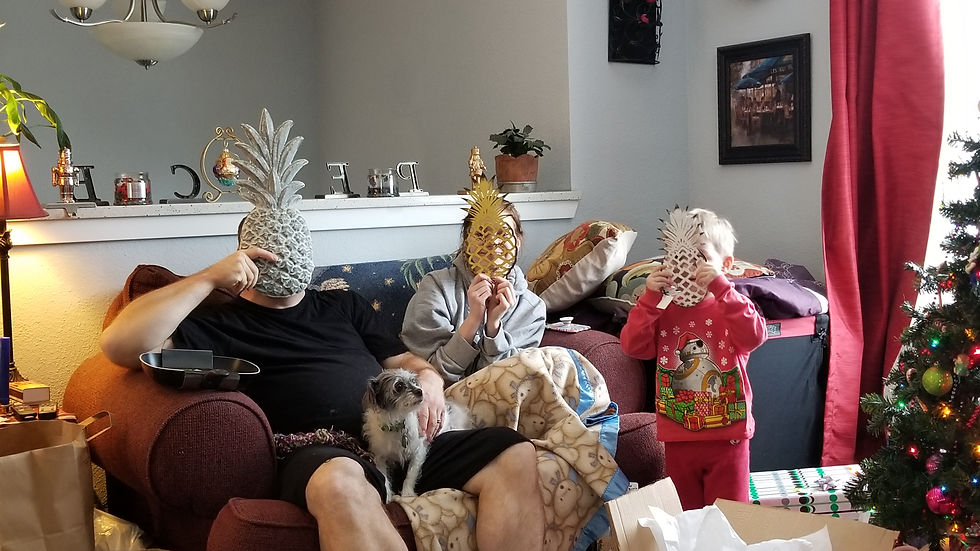

But what would a photo look like if you shot it from above?

Or how about from below?

Changing your viewpoint when it comes to photography composition can improve the outcome of your photo or video.
So, how do you seek out the highs and lows of the perfect shot?
Let’s start with...
...THE WHAT.
Viewpoint is the angle in which your photo or video is taken.
Again, most photos and videos are taken at a viewpoint of eye level. You stand and look and point and click. There. Shot taken.

So what happens if you choose to go for a ‘high angle’ viewpoint?
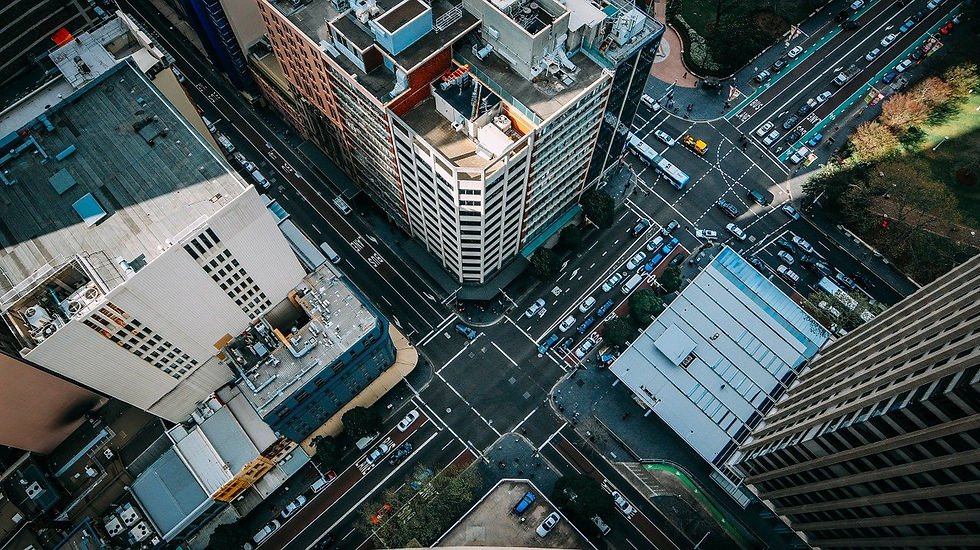
Often referred to as 'bird’s eye view,' a high angle shot is when you are above your subject. Think of it like this: you are a bird in a tree looking down at what you want to capture. Thus, a high angle / bird's eye view shot. It could involve climbing a ladder to get above a group of people or simply pointing your camera at your feet. (I do love crocs.)

There are 2 types of high angle shots. The first is simply being higher than your subject and pointing the camera down at an angle. The second is known as an extreme high angle. Imagine a drone shooting straight down as it flies through the city.
So what makes an image a ‘low angle’ shot?
Often referred to as 'worm’s eye view,' a low angle shot is when you are below your subject. Think of it like this: you are a worm viewing the world from the ground. That could mean laying down on the ground to snap your photo of grass or it could mean standing where you are and pointing your camera toward the clouds.
There are 3 types of low angle shots you could consider. The first is simply being lower than your subject and pointing the camera up at an angle. The second is an extreme high angle. Imagine standing right under a skyscraper and looking straight up to get your shot. The third way to get a worm’s eye view is technically an eye level shot, but you are laying down on the ground. The “illusion” of low angle is created because we as people don’t normally have an eye level shot of, say, mushrooms growing in the grass.

To summarize: where you are standing, sitting, laying down, and pointing your camera in relation to your subject is the viewpoint of that shot. That viewpoint could be straight ahead or tilted up or down to create your image.
Okay, you now know WHAT it is. Time to understand...
...THE WHY.
Why should you decide to shoot some of your photos in a viewpoint other than eye level?
New perspective / Create uniqueness
Reveal what we can’t see (especially in video)
Eliminate what you don’t want to see
Create a certain emotional illusion
1. Let's give your photos and videos a new perspective… or even take it from their perspective. For example, kids and pets are looked down upon. Not negatively, but literally. What if you took their photo from a low angle position, to show how they see the world?
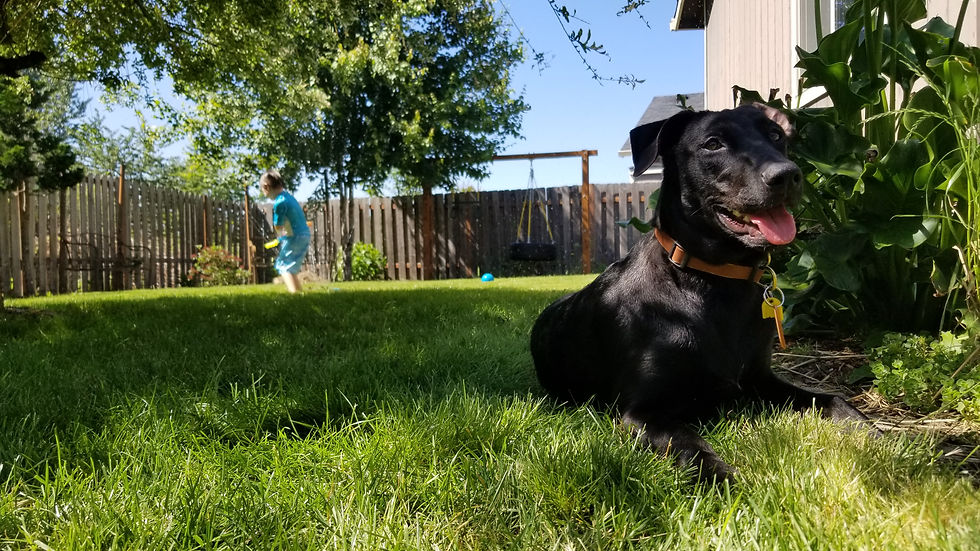
Or, think how a simple candid of your child can gain some uniqueness by changing the angle.

2. You can’t always capture the whole picture at once. So with video, you can always pan or tilt your camera to reveal what the viewer can’t see. Start at eye level to show person looking up and then tilt up to show what they are looking at.
With photos, think about how climbing up high and shooting down or getting low and shooting up can reveal more of the scene than you could capture at eye level. I'm thinking of an example: your child just came down a really tall slide for the first time. The story really won't be told if you shoot eye level. All you'll see is the kid sitting on a piece of plastic (or metal... I remember those old metal slides where you burned your bum on the way down!).
To really tell the story of that accomplishment, get low and shoot a worm's eye view shot in order to reveal how tall that slide is in comparison to your child sitting at the end.
3. Let’s call them distractors. Those things you wish weren’t showing up in your photo or video. Whether it’s a trash can in the park or the neighbor’s car ruining the perfect shot of your landscape, by moving yourself and the angle of your picture, you can eliminate whatever is going to take attention away from what you want others to see.
That could involve you crouching down for a low angle shot to ‘hide’ that trash can behind your subject. Maybe climb a ladder for a high angle shot of your landscape to avoid getting your neighbor’s car in the photo.
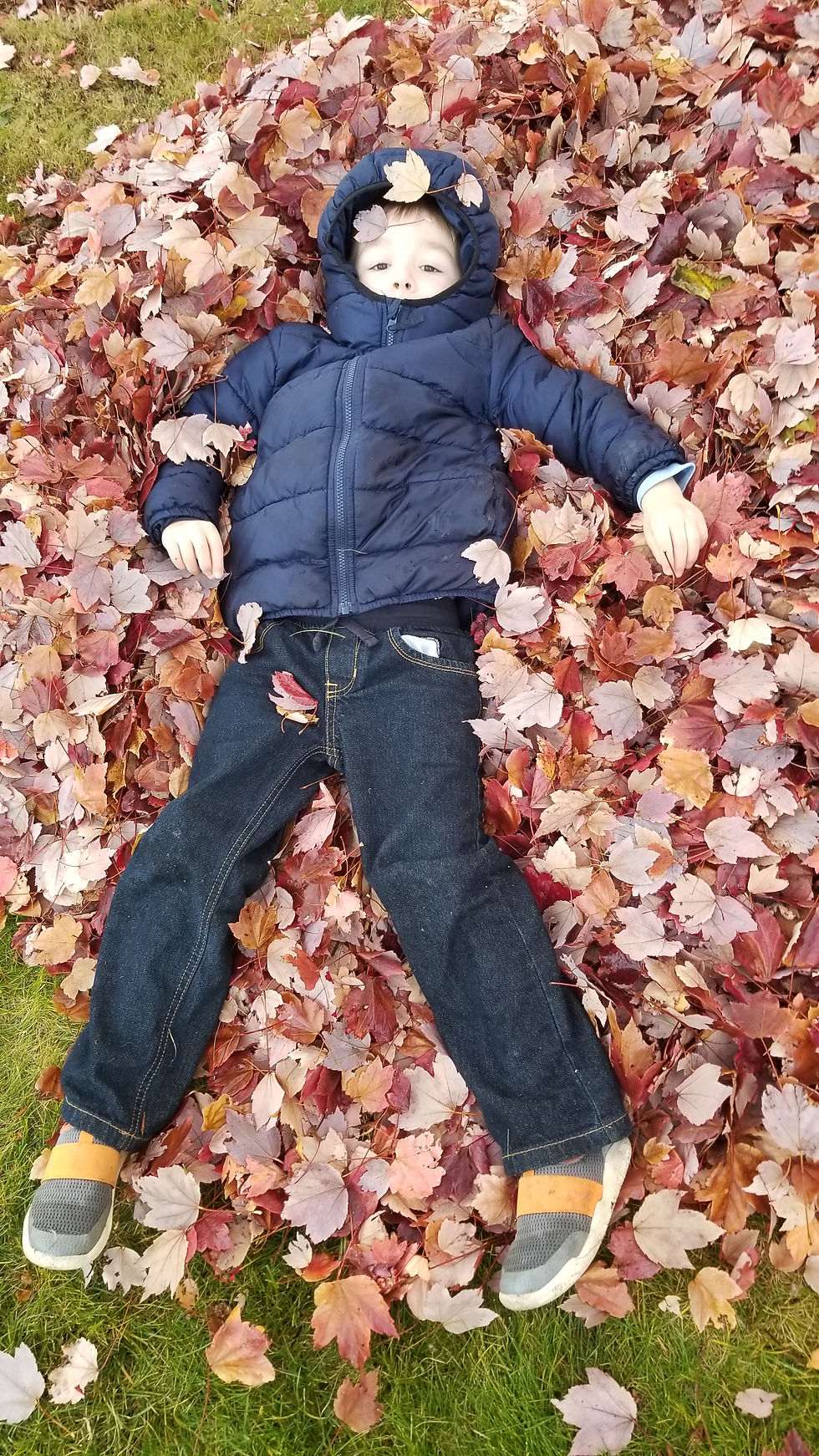
In this photo of my son, I wanted to eliminate the sidewalk and the house and just have leaves filling the background. To do so, I had to climb on a step stool to be able to angle down.
4. Bird’s eye and worm’s eye photos and videos can also play with the mind and emotions. It’s a trick used in marketing and filmmaking. Viewpoint is often used to help tell the story without words.
From a high angle (looking down on your subject), you can create the illusion that your subject is weaker or lacking power. Think of Marvel films where the magnitude of the Hulk is increased when the camera “looks down” at normal sized people.
Or how about someone who is struggling with confidence. The scene can be shot with the camera at a higher position than the actor to create that illusion of weakness.
Vise versa, looking up at your subject from a low angle when filming a scene or taking a marketing photo or snapping a pic of your kid in their superhero Halloween costume, can create the illusion of power and strength. Frame that perfectly stacked hamburger from below (low angle shot) and give it an appearance of being larger than it is.

On your next creative photo trip, consider these ideas:
Some shots need to be in a certain viewpoint to see everything.
Some shots become more interesting from a high or low angle.
Some shots just shouldn’t be taken in a certain viewpoint.
Having options improves your creativity, increasing the storytelling element in your photos and videos, and expands your imagination as a photographer.
Let me give you some examples of...
...THE HOW.
Step One: What do you want people to see?
Step Two: What don’t you want people to see?
Step Three: MOVE YOUR BODY!
Example one: You are in a park and want some great photos of your child playing, but every eye level angle has something in the background you don’t want. Houses, garbage cans, other people. So, how do you get that fantastic shot that only focuses on your kid?
Climb up to the top of one of the play structures and get a bird’s eye view of your kids. The grass or wood chips or rubber turf becomes a much simpler background instead of the busyness around the park and makes your child really stand out in the photo.
Example two: You want to create a poster for a car wash fundraiser. Instead of taking a shot of a car at boring, non-attention-grabbing eye level, get down low to the ground. Set a bucket and hose and wash rag in the foreground (the objects closest to the camera) and take a photo of the car (sparkling clean or extremely muddy - your choice) from a worm’s eye view.
Remember my pictures of Levi in the Leaves in this post? To take those photo, I made some compositional decisions of what I wanted people to see - Levi & the leaves. And, what I didn’t want them to see - the houses, the street… I eliminated distractors by moving my body.
...THE WRAP UP.
Photos at various angles can give a new perspective, reveal something we couldn’t see otherwise, eliminate things that distract from our subject, or create emotional illusions.
Videos have the luxury of using both high and low angle framing within one shot. The camera could start looking up at the sky (low angle shot/worm’s eye view) and tilt downward until the camera reveals something on the ground (high angle/bird’s eye view).
Okay. Now’s the time to grab your camera and mix things up with Viewpoint.
Try the same shot at eye level, high angle, low angle, extreme high angle, and extreme low angle. Which did you like best? How did it change the story? How did it change the focus of your shots?
Comments